Tour & visit
Come see us
Tour times, directions, parking and the fastest ways to reach us.
Schedule a tour
Come for egg-gathering
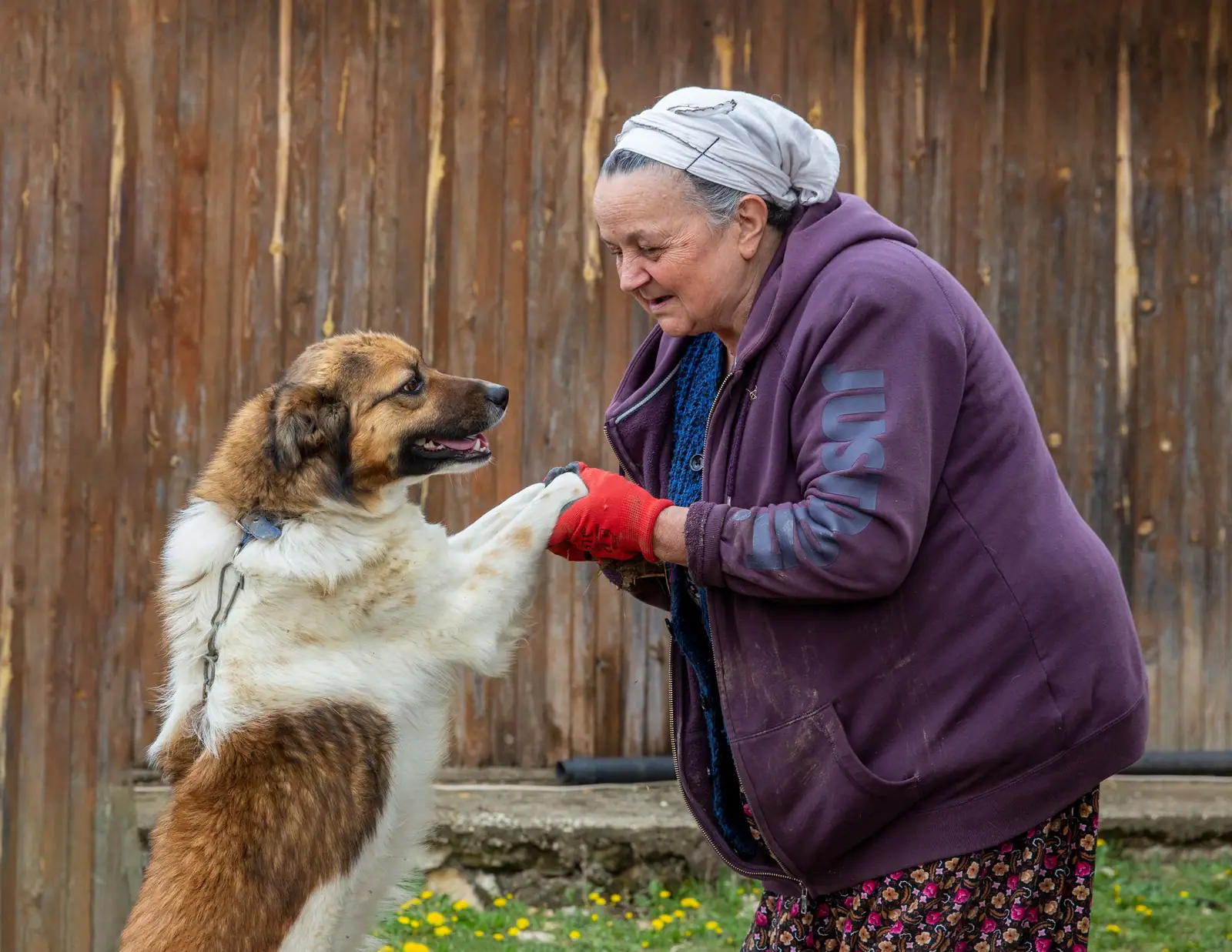
The hens lay best in the morning. Pick a time below, or call Glenda and she'll find you a basket.
Visit
Find us in Tahlequah
- 2280 Pawpaw Lane
Tahlequah, OK
Park by the red barn. Biscuit, our yellow Lab, will probably meet you before we do. - (918) 555-0153
- Text us
- hello@pawpawlane.example
- Pawpaw Lane Memory Care
Tour & office hours
- Tours, Mon – Sat9a – 5p
- Office, Mon – Fri8a – 4:30p
- Families visitAny time
Families visit any time. Bring the grandkids and the family dog, if it gets along with cats.
Good to know
Questions, answered
Are the animals safe around people with dementia?
Yes. Every animal is chosen for a calm temperament, kept current on vaccinations and checked by our vet tech. Animal time is always supervised, and residents who prefer not to be around animals have quiet spaces of their own.
What about allergies?
We keep one household with no indoor animals for residents with allergies or fears. They can still visit the hens and the goat outside if they like.
Can my mother bring her own pet?
Sometimes. Small, calm, vaccinated cats and dogs can move in with their person when our team agrees it's safe. We'll help with the care.
Is Pawpaw Lane secure?
Yes. Doors are coded and alarmed, and the walking loop, garden and pasture are fenced. Residents can be outdoors on their own.
How is memory care paid for?
Most families pay privately or with long-term care insurance. Medicare covers doctor visits and therapy but not room and board. Veterans and surviving spouses may qualify for VA pension benefits, and some Oklahomans qualify for the state's ADvantage waiver for assisted living services. Tribal citizens may have additional resources; our social worker can help you look.
What does a typical day look like?
Coffee and breakfast whenever residents wake, egg-gathering and animal chores mid-morning, dinner at noon, a rest, then crafts, walks or porch music in the afternoon, supper and a quiet evening.
Can families visit any time?
Yes. Come for a meal, bring the grandkids, help in the garden. Well-behaved family dogs are welcome too.
What happens when needs increase?
We update the care plan and coordinate hospice when it's time, so most residents never have to move again.
What should we bring on move-in day?
Familiar furniture, bedding, photographs and comfortable clothes with name labels. If there's a favorite blanket, bring that too; the cats will approve.
How do you handle sundowning?
We plan for the late afternoon: lights on early, quiet music, a dog to pet and a walk on the loop. Most residents settle with routine and company rather than medication.
Do residents get outside in winter?
Whenever it's safe. On cold days the hens still need feeding, and we bundle up for a short trip to the coop.
Can residents keep doing things they love?
That's the whole idea. Gardeners garden, cooks help in the kitchen and farmers do chores. We start with who your mom or dad has always been.
Who looks after the animals?
Our animal program coordinator is a certified vet tech. A local veterinarian sees every animal regularly.
How do I stay in touch?
Call any time, and you'll get a photo note every Friday. Our nurse will call you whenever anything changes.
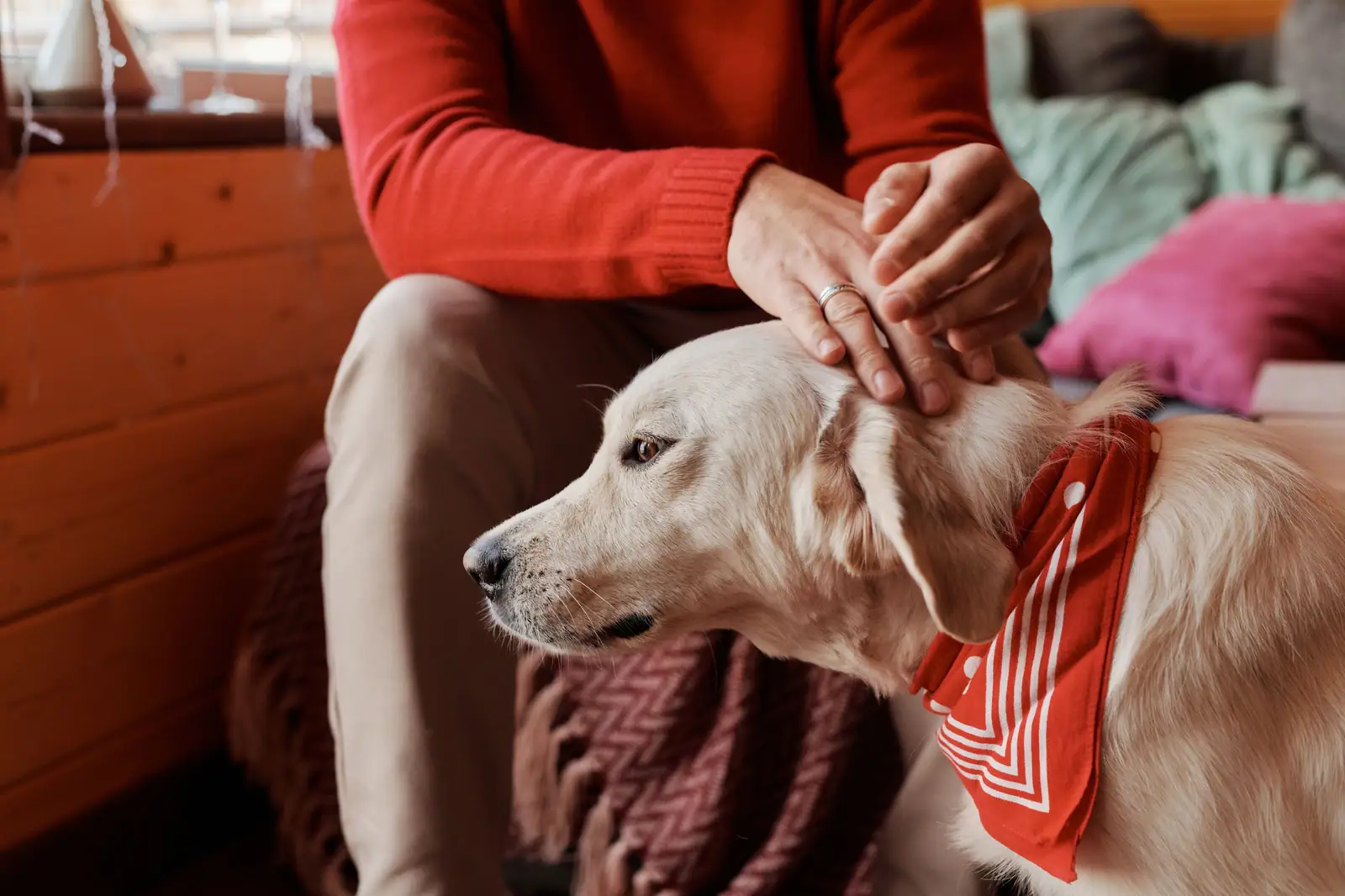
Biscuit is waiting by the gate.
Call or text Glenda to set a time. Wear shoes you don't mind getting a little muddy.